Read part 1 first!
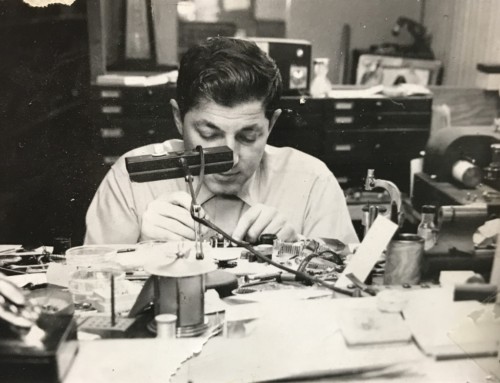
A week later Gordon, Joe, and I met at the Thavenet Machine Company in Pawcatuck. The company is now run by Skip’s son Erik Thavenet, the fourth generation of Thavenet machinists. We entered the shop and saw massive machines gleaming in the soft light, the smell of warm machine oil filled the air. Skip greeted us and gave a quick tour. At the far end of the shop the oldest tools from the original shop still stood. Skip stopped in front of a lathe that was so finely built it gleamed like a jewel.
 “This was Herman Dock’s lathe. It’s what he built all of his parts with. He gave it to my grandfather in 1921 and I still use it today.”
Skip went on to describe what happened in 1909 after the fire.
“My grandfather was in Japan taking orders for the new engine when a telegram arrived. He held it as if it was poison which it was; poison to the dream they had all shared. It read simply, ‘All lost. Return home.’ He probably wondered what could have gone wrong. When he’d left Rhode Island the company was ready to start manufacturing his new engine, an engine so revolutionary he thought it would change the world. He knew it would make Hope Valley, Rhode Island the Detroit of New England and make himself along with his partners very rich men.”
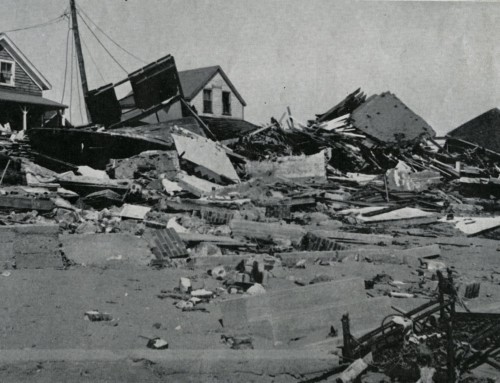
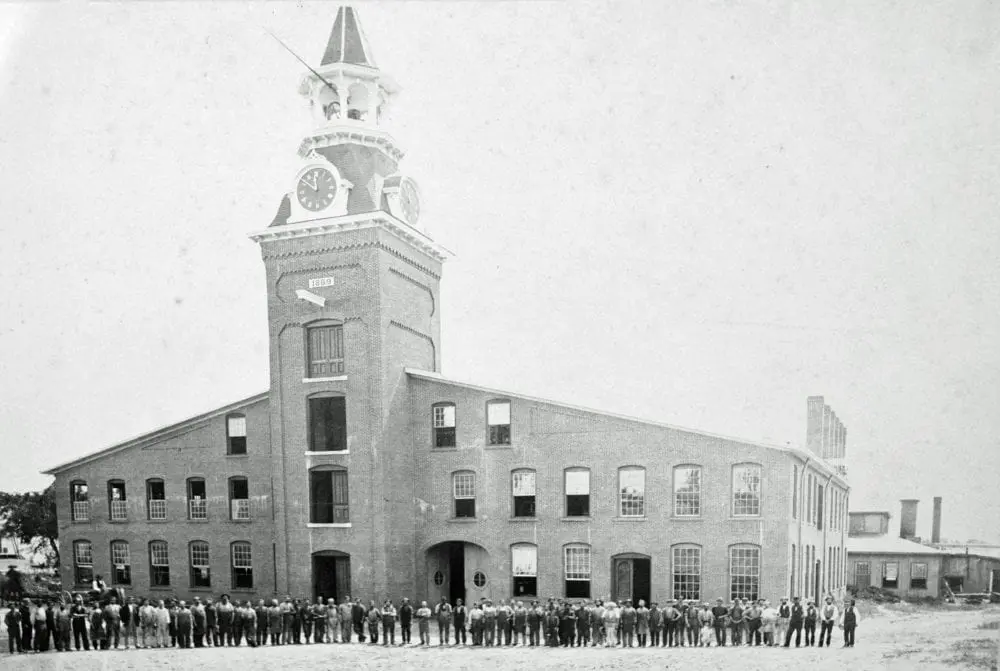
“Then the news came. There had been a fire at the Mill that started in the building where the new engine was being built. Somehow the gasoline used to fuel the new engine and stored there had ignited. The sprinkler system hadn’t been fully installed yet and the fire quickly spread. There was nothing left but a smoldering ruin. When a reporter asked his partner, Herman Dock, for a comment the reporter said Dock just shook his head, there was nothing to say. All their plans and dreams were dead.”
Skip began to move equipment out of the way and there in a dusty corner of the shop sat a large heavy engine. This was the Dock engine we had come to see, probably one of the last still in existence. “I know nothing about it,” said Skip. “It’s been in the same spot since 1950 when my grandfather died.” The fate of this engine is in doubt because Skip’s attempts to find a museum or other organization that might want it have failed.
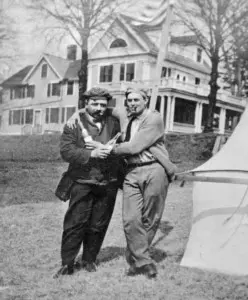 After visiting the machine shop I continued my research. I found out that many people in Hope Valley blamed Dock for the mill fire because he was foreman at the mill during the bitter 13-month long strike. Many locals suffered and lost their jobs because of the strike. After the strike, the workforce was down from 150 men to 40 men.
Herman Dock disputed a report in a newspaper that said the strike was settled in favor of the union. “The company did not depart one jot from the lines originally laid down namely that we would run our own business, and employ who we pleased, without dictation from any person or union.” This statement by him could have made him and the company a target.
There were a number of reasons the fire was dubbed suspicious. First, the fire started right afternoon when most of the mill workers had left to go home for lunch. Did someone, knowing this, stay behind and start the fire? It is also alleged that the mill’s main firefighting pump had been sabotaged. I was unable to confirm this story.
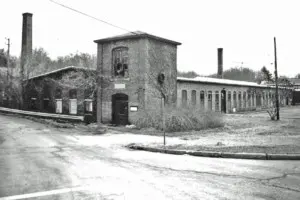 The engine shop contained a large quantity of gasoline used for engine testing and although sprinklers were required for insurance they had never been completely installed. This seems odd considering a large amount of gasoline stored there. Later, the insurance companies used this fact to deny insurance claims and the mill was a total loss.
One theory about the cause of the fire was that Dock himself could have purposely started the fire to collect the insurance money. The company and Dock were in financial straits and heavily in debt from borrowing money to finance the new engine. This theory seems unlikely because the company already had signed contracts with the United States, Norway and Japan for the engines. Regardless people blamed Dock for the fire.
He was so unpopular in Hope Valley that a nursery rhyme was written about him and printed on menus at the local Wood River Inn. It read, “Hickory Dickory Dock, the fire ran up the clock. The clock struck one and down she comes, damn old Herman Dock.
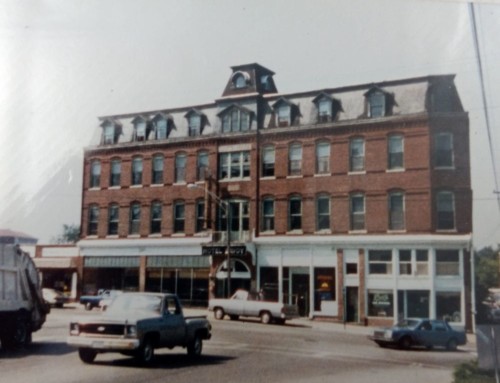
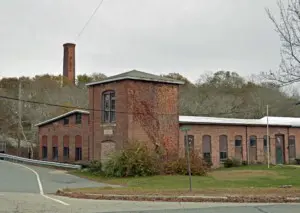 Today only a small portion of the original Nichols and Langworthy Mill remains standing and the Village of Hope Valley never fully recovered. Fifty Dock engines had been destroyed in the fire and the engine that could have changed the world was never manufactured again. Herman Dock, all his dreams up in smoke, moved to Mexico and died twelve years later. His dream would die with him.