Today, Westerly is best known for its beaches, but for more than 100 years it was famous for its granite. The industry started in 1846 when Orlando Smith, a stonemason from Ledyard, noticed some outcroppings of granite on Joseph Babcock’s farm in Westerly. His experienced eye knew that the granite was of superior quality with a fine grain and a uniform color.
He decided to buy the land and start a company to quarry the stone. The story goes that his mother brought him the money to purchase the property, on horseback, all the way from the family farm in Ledyard, Connecticut. The Smith Granite Company was the first and most important of the many quarries that would define the large industry that developed in Westerly.
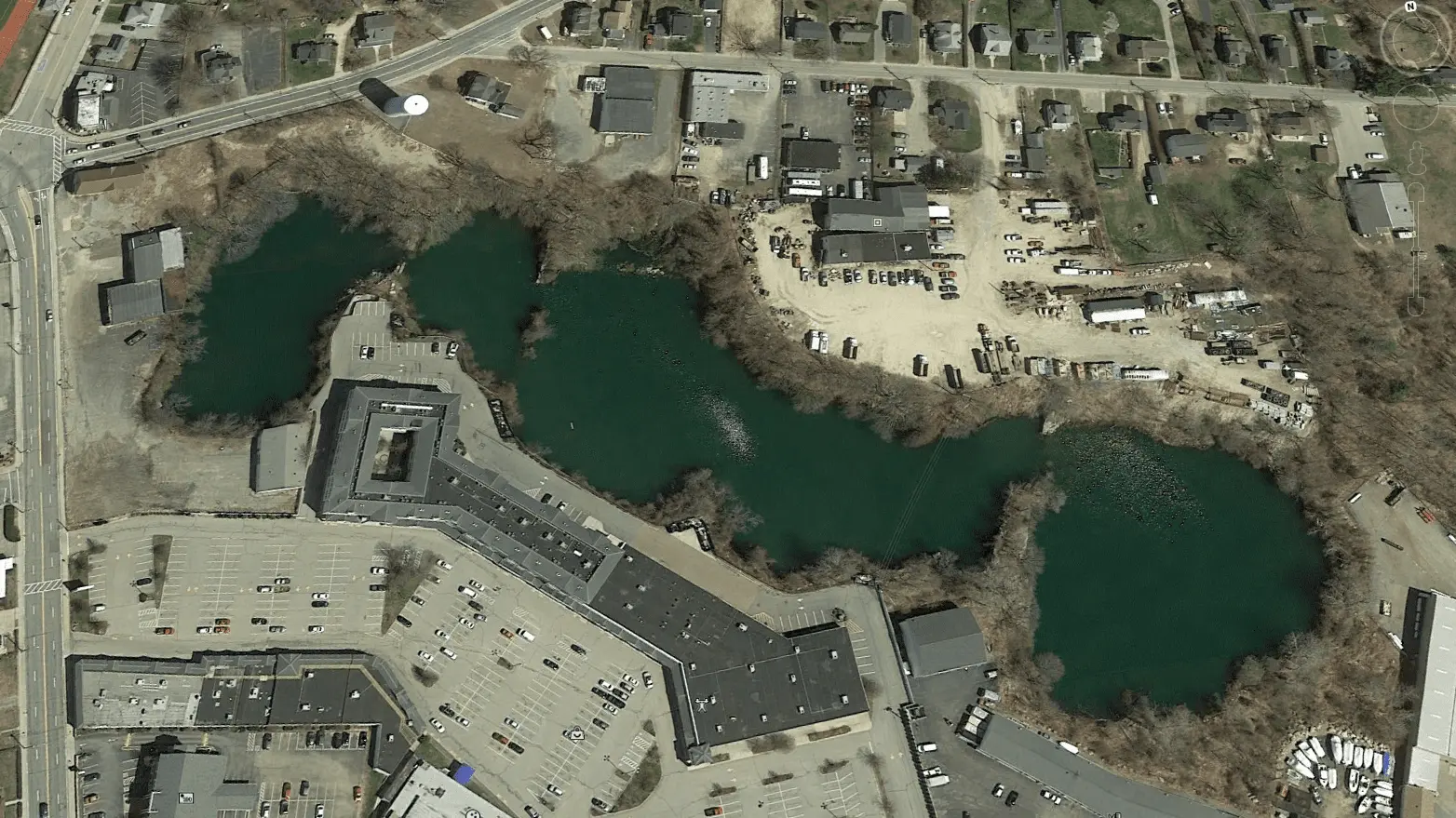
Today, the site of the old Smith Granite Company’s quarry on the corner of Tower and Granite Streets has been approved for commercial development. The complex of four buildings will include offices, residences, and a restaurant. The complex overlooks the old quarry hole which has filled with water and is now a large picturesque pond.
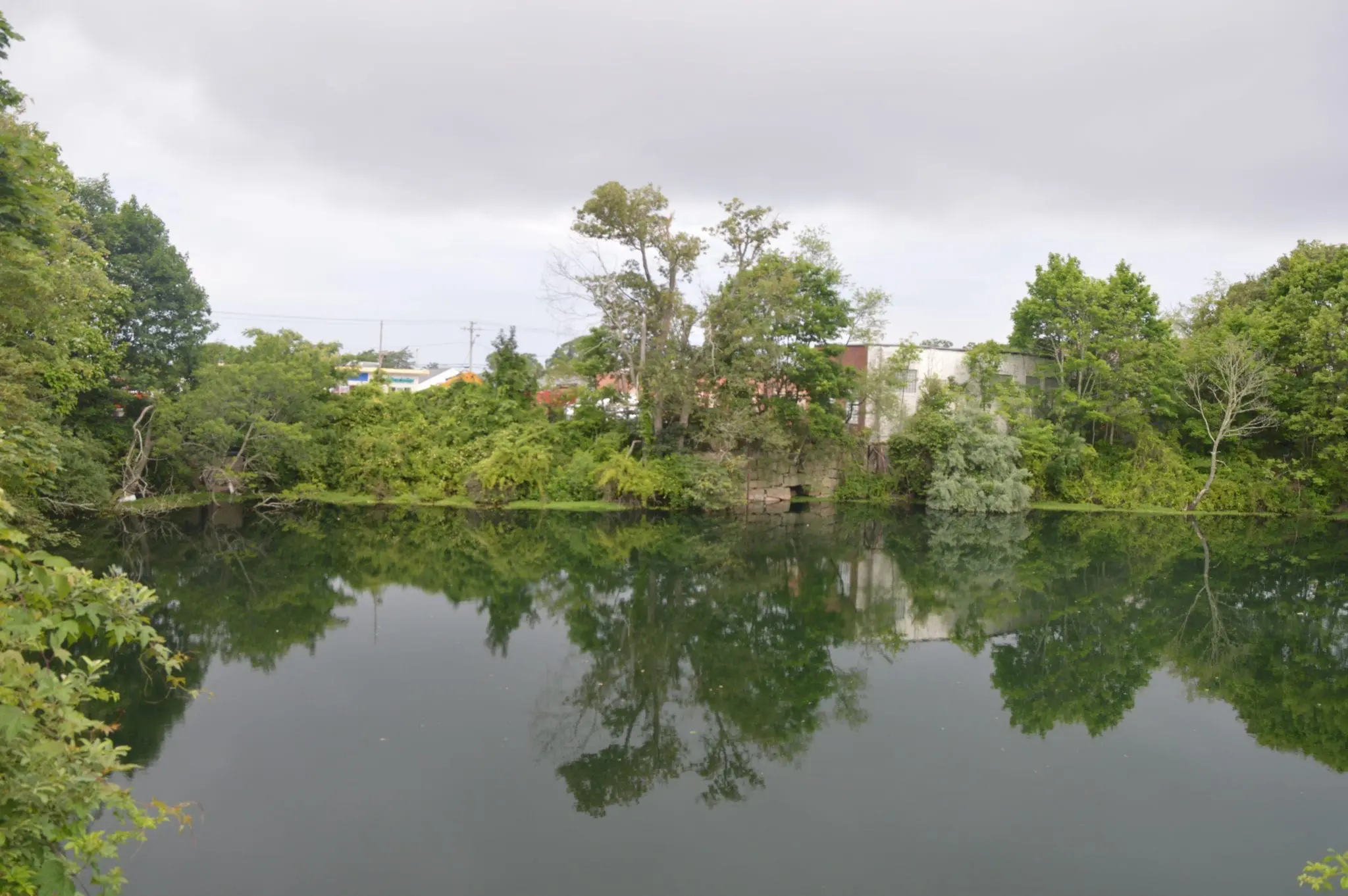 Few people in Westerly know this historic pond, a remnant of the quarrying era in Westerly, exists. The large pond, up to 160 feet deep in places, extends about 1,500 feet behind the Granite Street Shopping Center. The project was scheduled to be completed by 2018 but unforeseen circumstances have caused a delay. It is not known if and when the project will be completed.
Granite is one of the most well-known materials on earth and is the oldest igneous rock in the world. It is also the most common rock making up to 80% of the earth’s surface. Granite is from the Latin word granum, which means a coarse grain. Granite got its name because of the grain-like patterns formed by its densely packed crystals. The precise origin and process of granite formation continue to be a subject of active research but it is thought that granite forms from the slow crystallization of magma below the earth’s crust.
 The granite must finally be uplifted to the surface and stripped bare by erosion. Many of the earth’s most famous mountain ranges are made of granite, these include Stone Mountain, Georgia; Yosemite Valley, California; Mount Rushmore, South Dakota; Pike’s Peak, Colorado; and the White Mountains of New Hampshire. The highest granite mountain on earth is Kangchenjunga in the Himalayas. At 8,586 meters, Kangchenjunga is the third-highest mountain in the world.
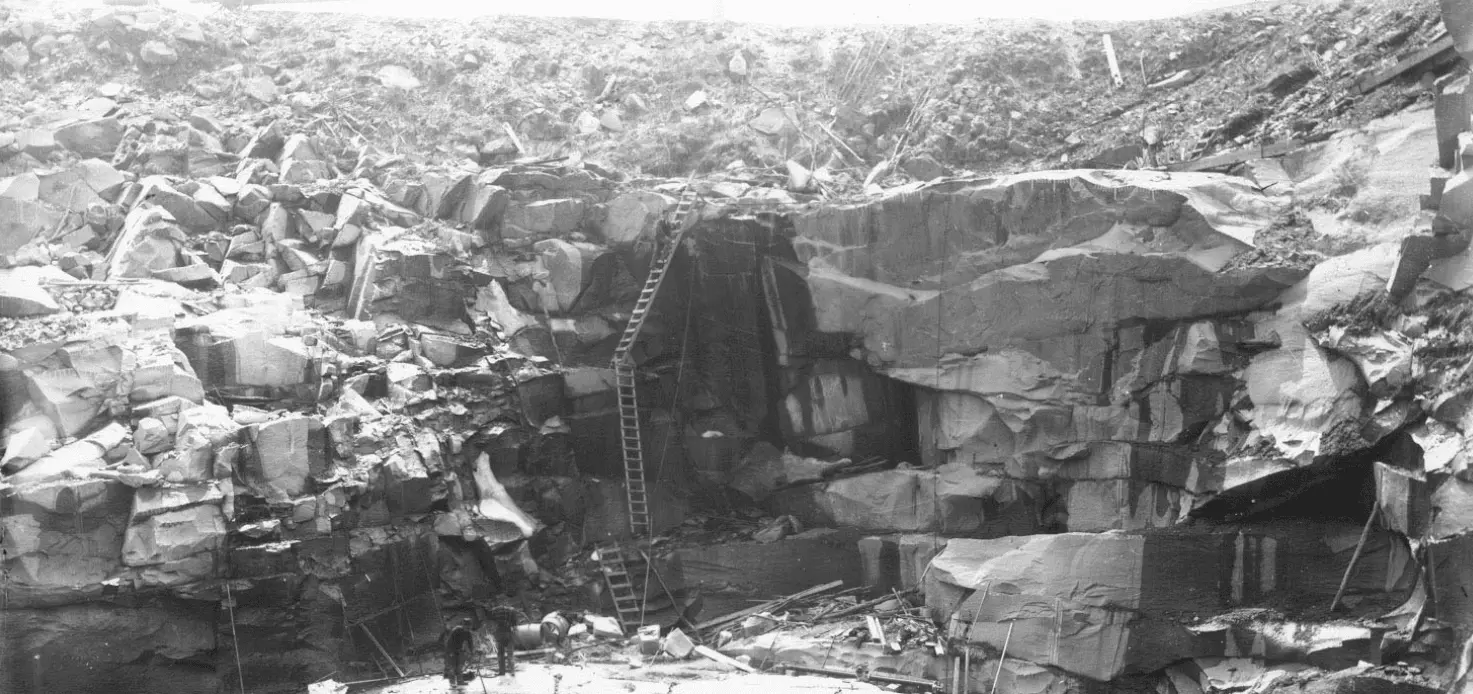 The granite industry is considered to be one of the oldest industries in the world. The pyramids of Egypt were built from sandstone and granite over 5,000 years ago. How the Egyptians worked the granite is still being debated. It was Egyptian carvings that inspired Alexander Macdonald of Aberdeen, Scotland in 1832 to invent steam-powered cutting and dressing tools that enabled the hard granite to be worked.
Around 1850, the first immigrants came from Europe to Westerly to work in the quarries. First were the Irish, followed by the Scots, then northern Italians, and finally the Finns around 1895. Many of the artisans who learned how to polish granite in Scotland migrated to the US to find work. By 1885, 10% of Westerly’s population was Scottish. The corner of Granite and Benefit Streets was nicknamed Oatmeal Alley because of the Scottish affinity for the food. By 1900, the population of Westerly was around 7,000 people and 3,000 of them worked in the granite industry or services that supported it.
By the 1860s, granite was in high demand. After the Civil War, many states wanted to memorialize their war dead and thousands of memorials were created. One of the largest Civil War memorials ever built was the American Volunteer, also known as The American Soldier. It was carved out of Westerly granite by a team of stone carvers headed by Westerly’s James W. Polette. The statue is 21-feet high and weighs 29-tons and the monument base stands 45-feet high and weighs a total of 250 tons.
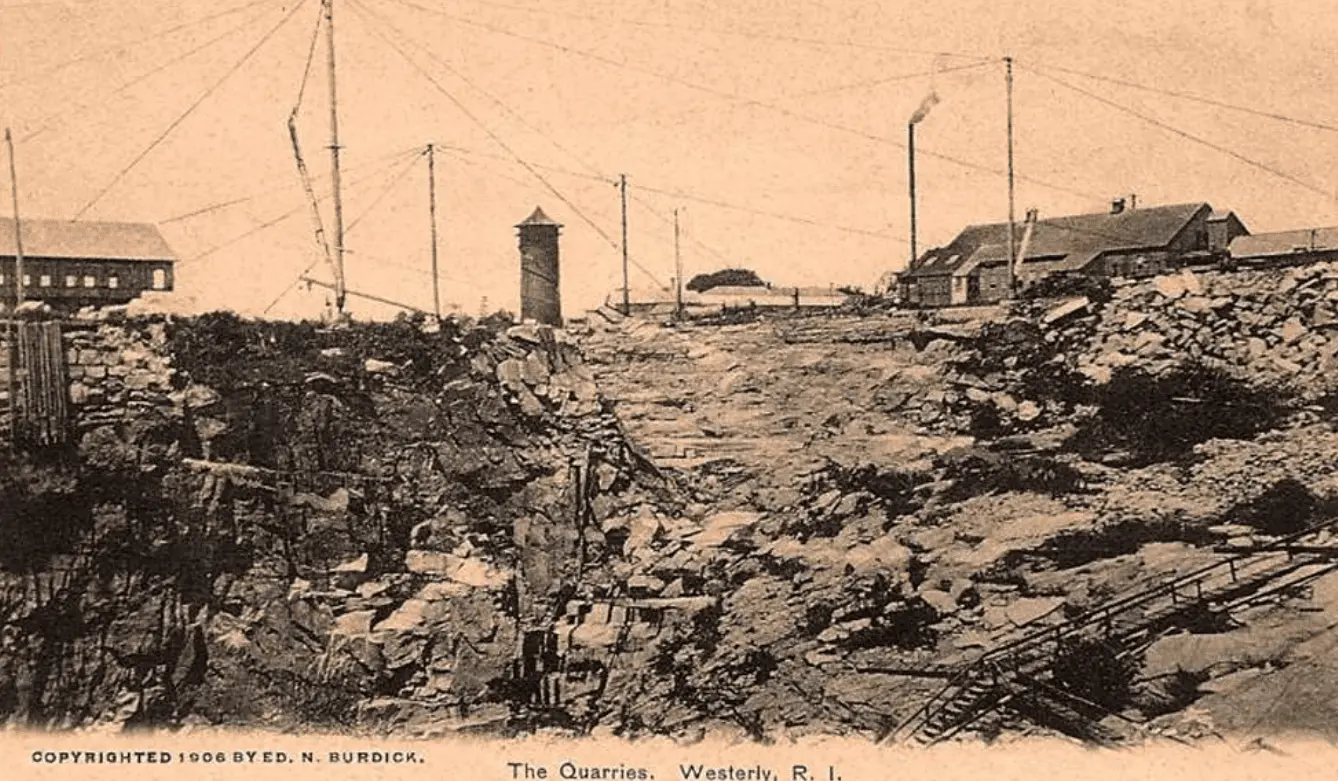 In addition to monuments, granite also became popular for building construction. The state capital in Connecticut, the Providence City Hall, and many other large buildings were built with granite. Westerly’s fine-grained granite also became popular to use for fancy headstones and statues in mausoleums and gravestones. Many fine examples of the stone mason’s artistry can be found in the carvings at the River Bend Cemetery on Beach Street in Westerly.
After 100 years the popularity of granite began to decline. New building materials came into use and office buildings started to use steel and glass instead of granite. The demand for fancy headstones and statues also diminished. One by one the quarries began to close, victims of the great depression and World War 2. In 1946 the Smith Granite Company, the last remaining large quarry still in operation in Westerly, closed.
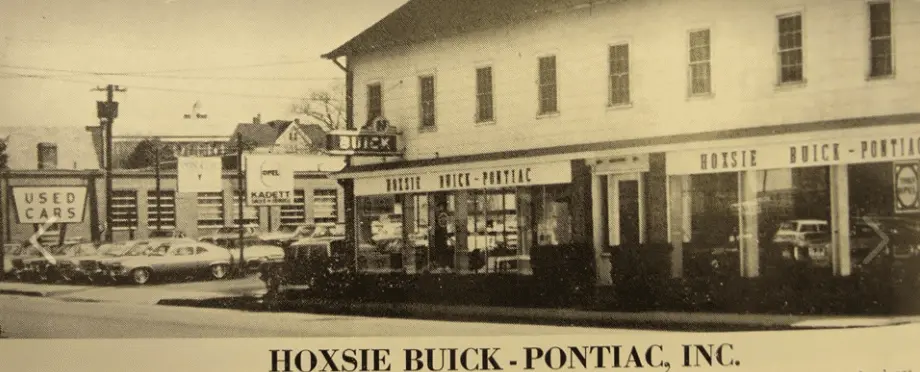 The Smith Company’s assets and property were sold off by the banks. Over the years the quarry buildings were adapted to other uses including the former Ray Hoxsie Buick-Pontiac-GMC Truck dealership, the former Maxon Automatic Machine Company, and the former Hoxsie Body Shop. A large section of the property was sold off and became the Granite Street Shopping Center. Right next door to the shopping center is the original house Orlando Smith built in 1850 called the Babcock-Smith house. It now houses a museum and is home to the Westerly Historical Society.
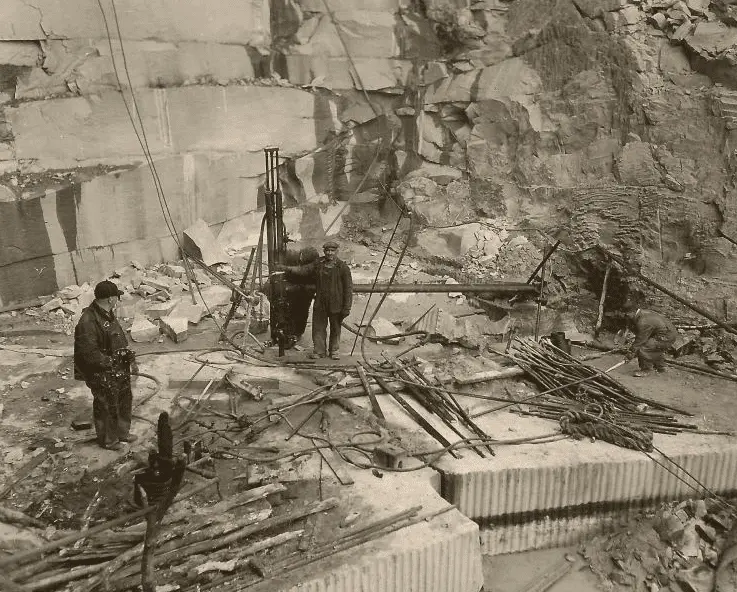 The largest and the longest-lived of all of Westerly’s many quarries will never again hear the sound of men working the hard stone with iron tools, but hopefully, the old quarry site will be developed. This would give the public access to views of the quarry pond, once the center of Westerly’s granite industry, now a forgotten backwater of another time. Westerly’s heritage is built in stone and the granite monuments that stand all across the country are a tribute to the proud men and women of Westerly who helped create them.