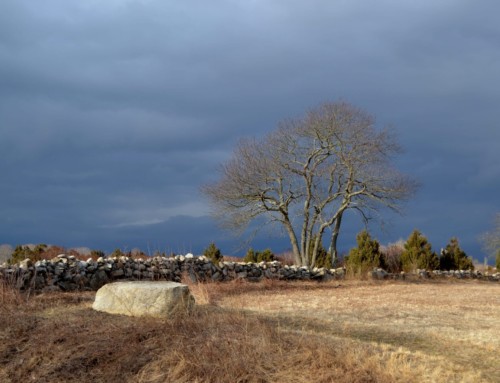
It is arguably one of the most beautiful places in New England. It is also one of the most endangered as climate change and sea-level rise are threatening this mile and a half long pristine barrier beach. Napatree Point is the giant proverbial canary in a coal mine. Its unique ecosystem, governed by the ever-shifting wind and sea-swept sand, is a place full of the powerful spirits of nature, sometimes quiet and tranquil and at other times, fearsome in its storms.
When you visit Napatree today it is hard to imagine what it looked like 400 years ago. The first European to sight Napatree was the rugged Dutch explorer Adriaen Block. Napatree was much larger than and covered in thick forest which was why Block named it Nap of Trees. The name was shortened to Napatree. Today it is devoid of any large trees and has been that way since the Great Gale of 1815 destroyed the forest.
 More than 100 years later, another great storm swept across Napatree, the hurricane of 1938. It destroyed Napatree’s summer community, sweeping away 39 large summer cottages. The end of Napatree was cut off and became an island, now called Sandy Point. The devastation was complete and 15 people lost their lives that day. After the hurricane Napatree began to return to its natural state. The ecosystem of the barrier beach was amazingly resilient.
The Napatree Point Conservation Area is now a protected peninsula that is owned, managed, and protected by the Watch Hill Fire District, the Watch Hill Conservancy, the Town of Westerly, the state of Rhode Island and private landowners. There are conservation easements that protect it from future development.
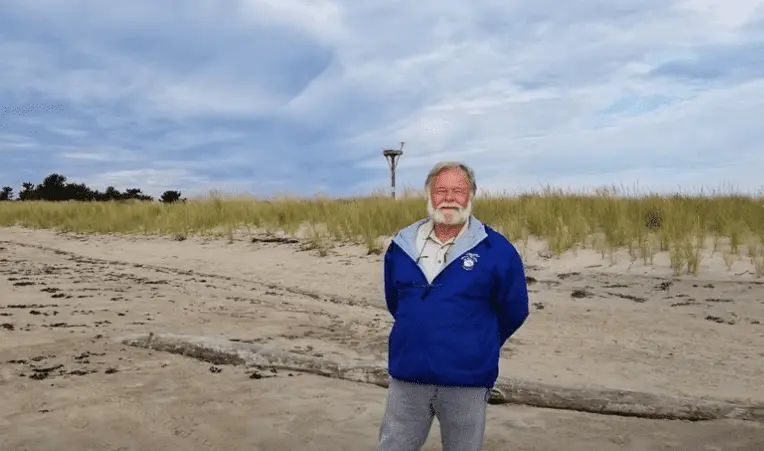
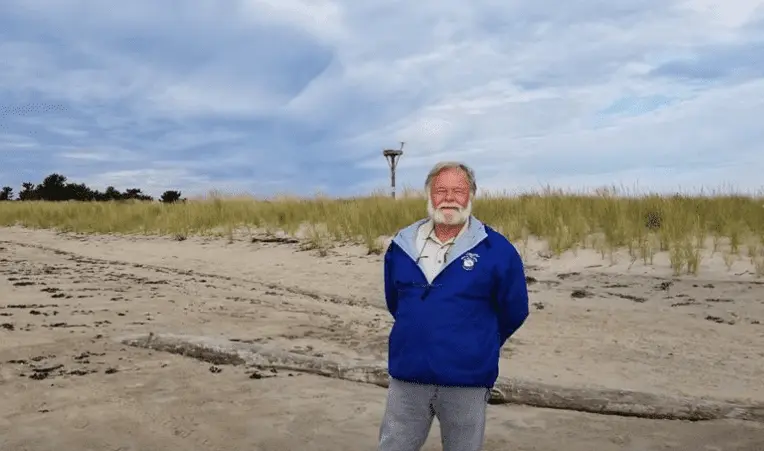 On any given day, winter or summer, you might catch sight of a distinguished-looking gentleman with binoculars and a white beard walking through the dunes on Napatree, leading a group of people. Chances are it’s Peter August and the Watch Hill Conservancy’s Science Advisory team made up of some of the most distinguished scientists in New England. Peter is Professor Emeritus in the Department of Natural Resources Science at the University of Rhode Island.
What are these renowned scientists doing on Napatree and why is it so important? It turns out the team has been working alongside the Watch Hill Conservancy and Napatree manager, Janice Sassi, studying and documenting just what Napatree Point is. What its plants and animals are and how the whole ecosystem is evolving.
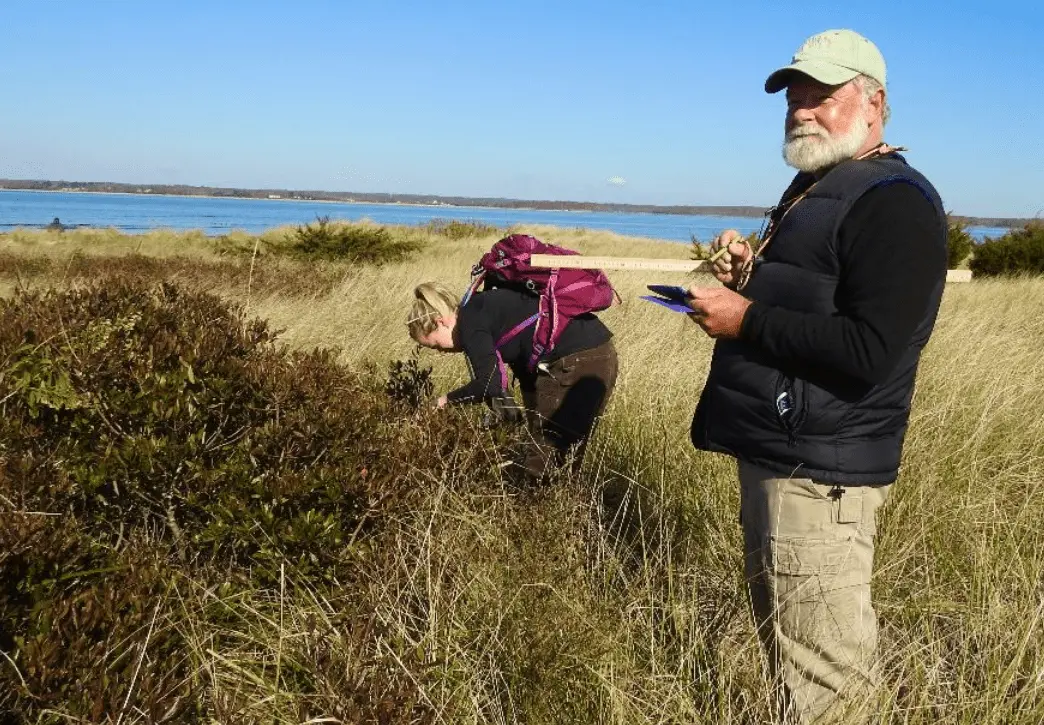 Peter is using Geographic Information System (GIS) technology on the analysis and conservation of natural resources in coastal environments. Peter explained what the GIS system does.
“It works by compiling all the different spatial (map) data, does analysis, edits data, archives data, and presents the results in many different ways,” he said. “Most everything that environmental conservationists study is spatial data. Where the rare species are, where the point sources of pollution are, what the land use is, how the habitats are changing, and how the shoreline is changing.”
His expertise in mapping using GIS is what led Peter to Napatree.
“In 1999, the Watch Hill Conservancy was formed and one of its prime missions was to protect and preserve Napatree Point. Chaplin Barnes was one of its founders and he needed to understand the ecological complexities of the Napatree ecosystem. I was the founding president of the Rhode Island Natural History Survey that we started 25 years ago. The idea for it was an organization to bring together all the people interested in biodiversity, natural history, and the conservation of plants and animals.”
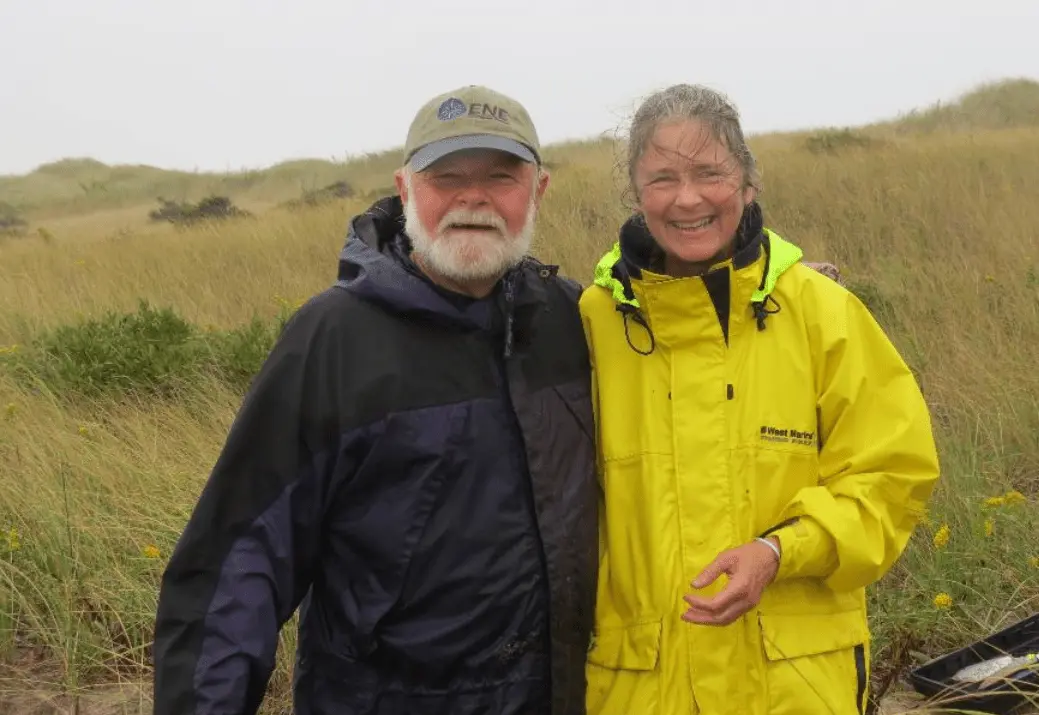 In 2010, Chap commissioned the RI Natural History Survey to conduct an ecological reconnaissance of Napatree to answer questions like, “are things getting better or are they getting worse?” This scientific report card for Napatree became a reality with the completion of the 2013 State of Napatree report.
After the 2010 survey, Chap and Peter were discussing Napatree.
“I said to him, instead of doing this survey every five years why don’t you pull together a small team of top scientists as advisors so that when issues come up you don’t have to wait for years to find a solution. Chap replied, ‘that’s a great idea, Pete, make it happen.’ So we created the Napatree Point Conservation Area Science Advisors and I became its chairman.”
Peter explained how Napatree is a big part of our local ecosystem.
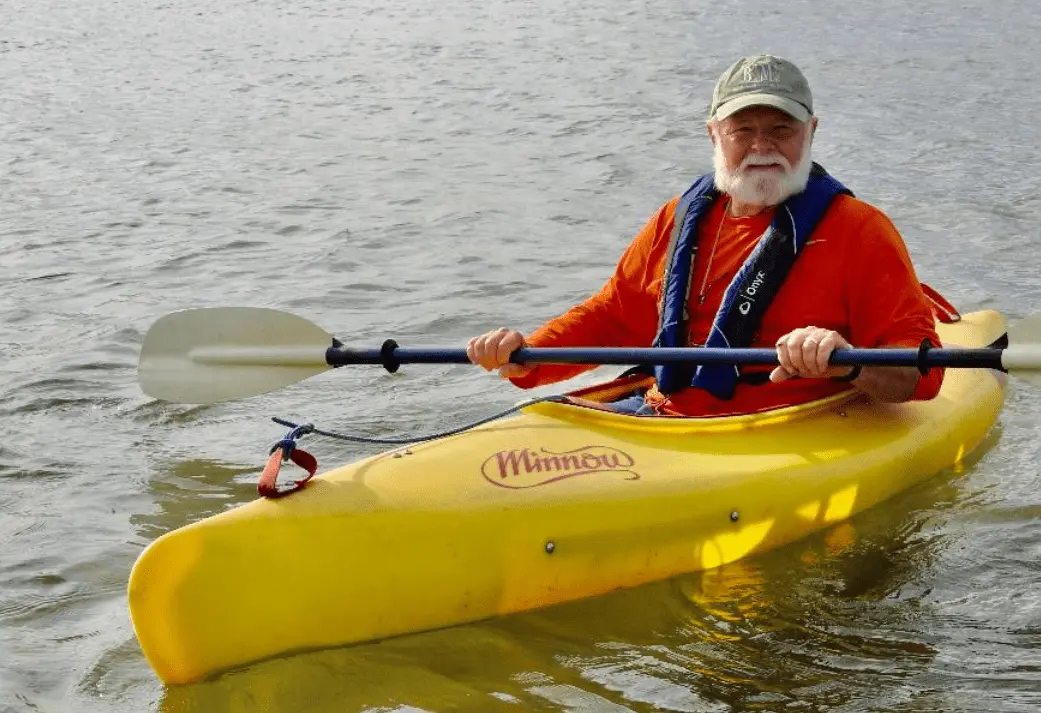 “Napatree is an exceedingly special place for a lot of different reasons. It’s part of a larger ecosystem which includes the 1,000-acre Barn Island Refuge, Sandy Point, Little Narragansett Bay and the Watch Hill Reefs,” explained Peter. “It’s a biodiversity hotspot. The National Audubon Society has designated Napatree a Globally Important Bird Area. That’s an international recognition; across the globe, Napatree is recognized as an important site because it’s a migratory stopover for birds flying north and south during their migration.
“Reynold T. Larsen (Rey) has identified 303 different species of birds on Napatree. It’s also important because Napatree’s habitats are some of the rarest in the state and they’re in pristine condition. The rare dune grass habitats and the maritime shrublands are in really good shape. The off-shore mussel beds bring in a whole suite of birds that forage on the mussels. It’s an important horseshoe crab breeding area with many species of birds feeding on the horseshoe crab eggs.
“The geology of Napatree is unique being a perfect example of how a barrier dune ecosystem should work in its natural condition. Napatree is the most pristine dune system left in southern New England. When we get big storms like Hurricane Sandy where the wave action and the tidal surge punch through the dunes it creates the wash over fans on the backside. So the dunes are constantly moving. They’re rolling over themselves and they can do that because we’re letting the sand do what it wants to do on Napatree.
“One of our big initiatives is to remove the dune fencing that traps sand and replace them with split rail fencing to guide people away from the sensitive habitat. If you look at historic pictures of Napatree since 1939 the whole spit has moved north one full dune width. That’s just the natural movement of sand.
“After Hurricane Sandy, the science team was out there and it was a moonscape. There was no vegetation. There were wash over fans everywhere. It looked like it was ruined forever. Sandy happened in October but by that spring you couldn’t tell anything had happened. The dune grass sprouted through all the sand and it recovered. So Napatree is a very resilient ecosystem.
Peter spoke about why Napatree is so special to him: “Napatree is amazing and important because it’s a place where people can find so many things, many of which are almost spiritual. It’s extremely calm and peaceful, especially in the wintertime. The people on the beach in the winter love the peace and tranquility and the whole naturalness of Napatree. Its value as a natural place to everybody, rich, poor, male, female, young, old, it offers something for everybody. I could give you a dozen exciting natural history observations but I think the whole gestalt of the place is what makes it so special.”